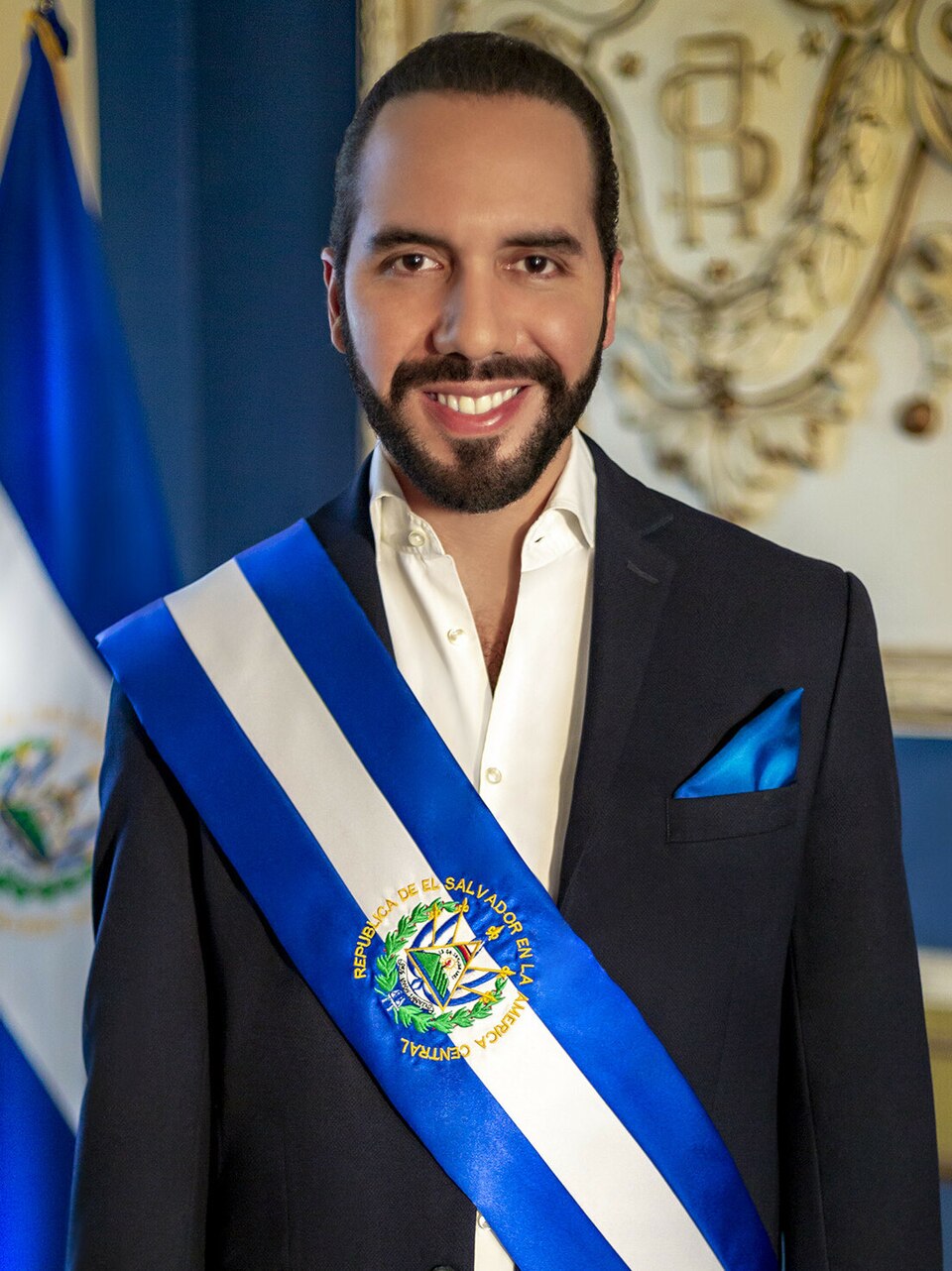
Bukele Enacts Life Sentences: El Salvador's Democracy Under Scrutiny
In a move that has sent ripples across the international community, El Salvador's Congress recently approved a constitutional amendment permitting life sentences. This significant legislative change, spearheaded by President Nayib Bukele, is positioned by his administration as a crucial escalation in the country's relentless war against gangs. However, for many observers and human rights advocates, the swift approval of bukele life sentences legislation casts a long shadow over the nation's democratic institutions, raising profound questions about the erosion of checks and balances and the future of civil liberties.
The amendment, passed with overwhelming support from Bukele's party-controlled legislature, is slated for ratification next week. It represents the latest in a series of dramatic constitutional reforms pushed by the populist leader, each met with increasing criticism for undermining El Salvador's delicate democratic framework. While the government champions these measures as essential for public safety and order, critics argue they are systematically consolidating power in the hands of the executive, transforming the nation into a de facto one-man rule.
The Rationale Behind Bukele's Life Sentences Mandate
President Nayib Bukele's push for life sentences is inextricably linked to his administration's "iron fist" approach to combating gang violence, which has seen El Salvador imprison over 1% of its population. The scale of this crackdown is unprecedented, initiated in March 2022 under a state of emergency that remains in effect. Bukele himself articulated his rationale in a post on X, challenging those who would "defend the idea that the Constitution should continue prohibiting murderers and rapists from remaining in prison." This rhetoric frames the constitutional reform as a necessary, moral imperative to protect citizens from heinous crimes, appealing directly to a populace weary of decades of gang brutality.
From the government's perspective, the introduction of life sentences fills a critical gap in the justice system, ensuring that those convicted of the most severe offenses, particularly gang-related crimes, face the prospect of permanent incarceration. This move is presented as a deterrent and a mechanism for guaranteeing that dangerous individuals "will never return" to the streets, a vow previously made by Bukele's officials regarding detained gang members. The rapid legislative approval by 59 out of 60 lawmakers underscores the firm grip Bukele's party holds over Congress, facilitating the swift passage of his agenda without significant opposition or debate.
However, the broad application and potential for misuse of such severe penalties, especially within a legal system already under scrutiny, raise considerable concerns. The immediate impact of these new laws on due process and human rights, particularly for those accused under the extended state of emergency, is a major focal point for international organizations.
A Pattern of Constitutional Overhaul: Eroding Checks and Balances
The approval of bukele life sentences is not an isolated event but rather the latest installment in a strategic, multi-year effort by President Bukele to reshape El Salvador's constitutional landscape. This pattern of reform has consistently drawn sharp condemnation for chipping away at the nation's democratic checks and balances, leading many legal experts to question the future viability of El Salvador as a true democracy.
One of the most controversial reforms came in August when the government pushed through an amendment effectively doing away with presidential term limits. This paves the way for Bukele to remain in power indefinitely, a move widely considered by legal scholars to violate the existing constitution, which explicitly prohibits consecutive re-election. Bukele's second term, which began in 2024, is thus seen by many as legally dubious, setting a dangerous precedent for the circumvention of constitutional safeguards.
This systematic dismantling of legal constraints extends beyond presidential terms. Bukele's administration has been criticized for exerting undue influence over the judiciary, replacing independent judges, and effectively neutering the legislative branch's ability to act as a check on executive power. Such actions centralize authority, making it easier for the executive to implement policies without meaningful oversight or opposition. For a deeper understanding of these sweeping changes, you might find valuable insights in this related article: Bukele's Constitutional Reforms: Life Sentences & Power Consolidation.
- Erosion of Judicial Independence: Critics point to the replacement of Supreme Court justices and the perceived subservience of the judicial system to the executive.
- Weakening of Legislative Oversight: With Congress firmly controlled by Bukele's party, legislative checks on presidential power have become largely symbolic.
- Threat to Separation of Powers: The cumulative effect of these reforms is a significant imbalance of power, concentrating authority in the presidency.
These constitutional shifts suggest a deliberate strategy to consolidate power, raising alarms about the long-term health of El Salvador's democratic institutions and its commitment to the rule of law.
The Human Cost: State of Emergency and Rights Concerns
The state of emergency, which began in March 2022 in response to a surge in gang violence, forms the immediate backdrop against which the bukele life sentences policy has been introduced. While initially presented as a temporary measure, it has been extended repeatedly for nearly two years, suspending key constitutional rights and leading to the detention of approximately 91,300 people. This extraordinary measure, intended to curb gang activity, has sparked widespread concerns among human rights organizations both within El Salvador and internationally.
Human rights groups have meticulously documented countless cases of arbitrary detentions, often based on vague accusations and with minimal evidence. Prisoners frequently face trials en masse, where individual due process is severely curtailed, and lawyers report losing track of their clients within the sprawling, overcrowded prison system. One prominent group even alleged before the Inter-American Commission on Human Rights (IACHR) that the vast majority of those detained under the state of emergency were arbitrarily deprived of their liberty.
President Bukele has vehemently criticized such allegations, although he has acknowledged that around 8,000 innocent people have been released. However, the sheer volume of detentions, coupled with reports of inhumane conditions, lack of proper legal representation, and prolonged pre-trial detentions, paints a grim picture. Families of the detained often face immense hardship, searching for loved ones with little official information or recourse. The fear of being wrongly accused and indefinitely imprisoned permeates many communities, especially those historically marginalized or perceived to have gang affiliations.
The introduction of life sentences within this context only amplifies these concerns, as individuals facing such severe penalties may have even fewer avenues for a fair trial and robust defense. For further context on the legislative actions taken amid the ongoing gang conflict, you can refer to: El Salvador Congress Approves Life Sentences Amid Gang War Escalation.
Practical Tip for Observers: When evaluating reports on El Salvador's security situation, it's crucial to balance official government statistics with documentation from independent human rights organizations. Look for detailed case studies, data on releases versus detentions, and analysis of legal reforms' impact on specific rights.
Implications for El Salvador's Democratic Future
The enactment of bukele life sentences, alongside the broader pattern of constitutional amendments, presents a critical juncture for El Salvador's democratic trajectory. The consolidation of power in the executive, coupled with the systematic undermining of independent institutions, raises fundamental questions about the nation's commitment to democratic principles.
Internationally, there's growing apprehension that El Salvador is moving away from a system of checks and balances towards a form of populist autocracy. Bukele's administration, emboldened by a strategic alliance with figures like former U.S. President Donald Trump, has shown an increasing intolerance for dissent. Critics, activists, and journalists frequently find themselves targeted, facing the stark choice between exile or imprisonment. This suppression of opposition voices further stifles democratic discourse and limits accountability, creating an environment where executive decisions face minimal scrutiny.
Key Concerns for Democracy:
- Lack of Accountability: When independent institutions are weakened, the government operates with reduced oversight, potentially leading to corruption or abuse of power.
- Erosion of Civil Liberties: The extended state of emergency and mass detentions fundamentally alter the relationship between citizens and the state, where basic rights are suspended.
- Suppression of Dissent: A healthy democracy thrives on diverse opinions and critical analysis. The targeting of critics and journalists undermines this essential component.
- Precedent for Future Regimes: The constitutional changes enacted under Bukele could establish a dangerous precedent, making it easier for future leaders to dismantle democratic safeguards.
The long-term implications are profound. While Bukele's tough-on-crime stance has garnered significant popular support, the erosion of democratic norms can have lasting, detrimental effects on governance, human rights, and the rule of law. El Salvador faces the challenge of reconciling its pursuit of security with its obligations to uphold a democratic system that respects the fundamental rights of all its citizens.
The approval of bukele life sentences marks a significant and contentious moment in El Salvador's contemporary history. While presented as a vital tool in the fight against pervasive gang violence, this legislative shift is inextricably linked to a broader pattern of constitutional reforms that have significantly altered the nation's democratic landscape. Concerns about the erosion of checks and balances, arbitrary detentions under the state of emergency, and the silencing of dissent underscore the complex challenge El Salvador faces in balancing security with the preservation of fundamental rights and democratic governance. The path forward for the Central American nation will undoubtedly continue to be a subject of intense scrutiny, as the international community watches closely to see whether the pursuit of order comes at the irreversible cost of democracy.