Bukele's Constitutional Reforms: Life Sentences & Power Consolidation in El Salvador
El Salvador stands at a pivotal juncture, as President Nayib Bukele continues to spearhead a series of sweeping constitutional reforms, fundamentally reshaping the nation's legal and political landscape. The most recent and striking of these changes is the congressional approval of a constitutional amendment to permit life sentences, a move that has ignited intense debate both domestically and internationally. This decision, emerging from a country that has already detained over 1% of its population in a controversial war against gangs, underscores a broader strategy of power consolidation that defines Bukele's second term. The introduction of
bukele life sentences marks a significant departure from previous legal frameworks and signals a hardening of the state's punitive approach, while raising critical questions about justice, human rights, and the future of El Salvador's delicate democracy.
The Landmark Vote: Approving Bukele's Life Sentences
The constitutional amendment allowing life sentences was swiftly pushed through El Salvador's Congress, receiving overwhelming approval from 59 of 60 lawmakers. This rapid legislative action is a testament to the firm grip Bukele's ruling party maintains over the legislature, ensuring that his security cabinet's proposals face little resistance. President Bukele himself championed the reform, publicly challenging critics on social media platform X, stating, "We will see who supports this reform and who dares to defend the idea that the Constitution should continue prohibiting murderers and rapists from remaining in prison." This rhetoric frames the measure as an essential tool in combating severe crime, resonating with a populace weary of gang violence that has plagued the nation for decades.
Historically, El Salvador’s legal system has not allowed for life imprisonment, with maximum sentences typically capped at 60 years. The introduction of
bukele life sentences thus represents a profound shift, offering a new ultimate penalty for the most heinous crimes. While supporters argue this is a necessary step to ensure dangerous criminals never return to the streets, human rights organizations and legal experts express deep concerns. They fear that given the current context of mass detentions and a state of emergency, these new powers could be misused, further eroding due process and potentially trapping innocent individuals in a system already struggling with oversight. The speed and method of its approval, slated for final ratification, exemplify the rapid pace at which fundamental changes are being enacted under Bukele's leadership.
Beyond Life Sentences: A Pattern of Power Consolidation
The approval of
bukele life sentences is not an isolated event but rather the latest in a series of constitutional reforms that collectively point towards an accelerating trend of power consolidation. These reforms have drawn sharp criticism for chipping away at the traditional checks and balances vital for a functioning democracy.
One of the most contentious reforms came in August when the government pushed through an amendment doing away with presidential term limits. This move effectively paved the way for Bukele to seek and secure a second term, which began in 2024, despite widespread consensus among legal experts that consecutive re-election is explicitly prohibited by the existing constitution. This disregard for a fundamental constitutional principle sends a strong signal about the administration's willingness to reshape legal norms to fit its political ambitions, raising alarms about the potential for indefinite rule.
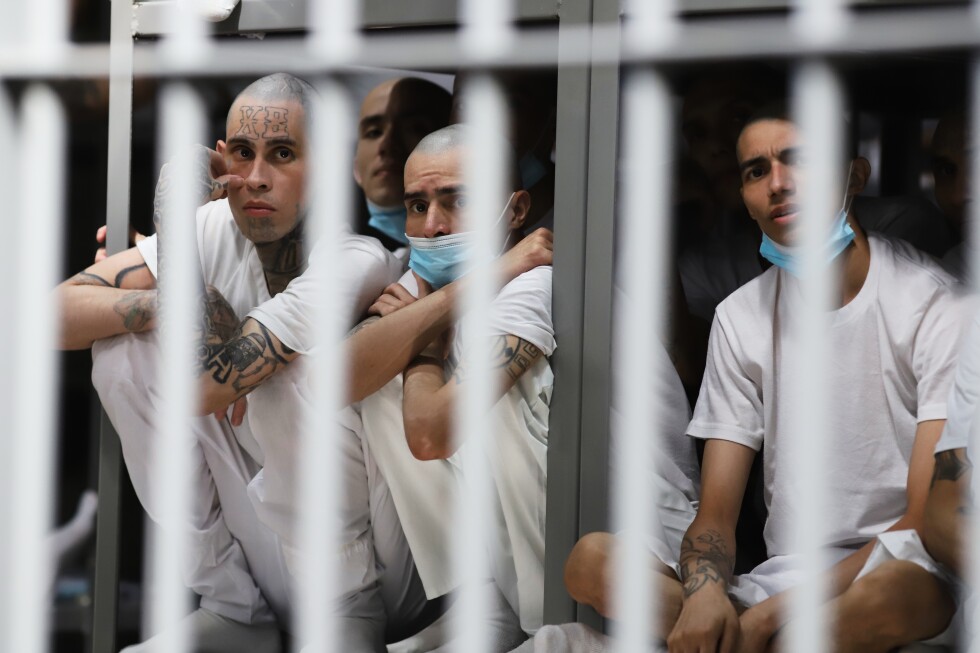
Furthermore, these legislative changes build upon the foundation of a controversial state of emergency, which began in March 2022 following a surge in gang violence. Originally presented as a temporary measure, it has been extended for nearly two years, resulting in the suspension of key constitutional rights, including freedom of assembly and protection from arbitrary detention. Under this emergency decree, an astounding 91,300 people have been detained. While officials claim significant success in reducing gang influence, human rights groups have meticulously documented cases of arbitrary detentions, lack of due process, and allegations of torture. One organization even brought these concerns before the Inter-American Commission on Human Rights (IACHR), alleging that the vast majority of those imprisoned under the state of emergency were arbitrarily detained. President Bukele has sharply criticized such allegations, though he did acknowledge that 8,000 innocent people had been released, indirectly confirming the system's flaws. The introduction of
bukele life sentences in this environment of suspended rights and mass arrests escalates the potential severity of punishments, amplifying the risks faced by those caught in the expansive security dragnet.
Implications for Justice, Human Rights, and Democracy
The implications of these sweeping reforms, particularly the introduction of
bukele life sentences, for El Salvador's justice system, human rights landscape, and democratic institutions are profound and concerning.
The current legal environment, characterized by the state of emergency, has already strained the justice system to its breaking point. Detainees are frequently held with little evidence, under vague accusations, and often without adequate access to due process. Mass trials have become common, with lawyers regularly losing track of their clients in a system overwhelmed by the sheer volume of arrests. Introducing life sentences into such a system raises the stakes dramatically. It intensifies the risk that individuals, perhaps arbitrarily detained or convicted with insufficient evidence, could face the most severe punishment imaginable, with little recourse for appeal or review. The government's previous vows that gang members detained "will never return" to the streets now carry an even graver connotation.
Beyond the justice system, human rights continue to be a significant concern. The state of emergency has fostered an atmosphere where critics, activists, and journalists increasingly face a stark choice: exile or imprisonment. This suppression of dissenting voices is further exacerbated by an apparent emboldening from international alliances, as evidenced by Bukele's past alliance with figures like former U.S. President Donald Trump. This environment stifles free speech and obstructs independent oversight, essential components of any healthy democracy. The systematic erosion of checks and balances, coupled with the executive's firm control over the legislature and, increasingly, the judiciary, fundamentally undermines the country's "delicate democracy." Without robust institutions capable of holding the executive accountable, the potential for abuse of power, including the application of punitive measures like
bukele life sentences, grows exponentially.
The Path Forward: What's Next for El Salvador?
As the constitutional amendment allowing life sentences moves towards its final ratification, the global community watches closely to understand the future trajectory of El Salvador. President Bukele's reforms, while undeniably popular among a significant portion of the Salvadoran populace grateful for a perceived reduction in gang violence, have ignited intense debate about the long-term health of the nation's democratic institutions. The balance between achieving security and safeguarding fundamental civil liberties remains precarious.
The practical challenge for El Salvador now lies in how these new punitive powers, particularly
bukele life sentences, will be applied. Will they be reserved strictly for the most egregious crimes, or will their scope gradually expand under the broad and often vague definitions used during the state of emergency? The history of human rights concerns under the state of exception suggests a need for vigilant oversight, yet effective oversight mechanisms appear to be weakening. The coming months will reveal whether these measures genuinely lead to a more just and secure society, or if they further solidify an authoritarian trend that risks sacrificing democratic principles for perceived order. The continued international scrutiny and the steadfast efforts of human rights organizations will be crucial in documenting and challenging potential abuses, advocating for transparency, and pushing for adherence to international human rights standards.
In conclusion, President Nayib Bukele's constitutional reforms, particularly the introduction of
bukele life sentences, represent a significant and controversial evolution in El Salvador's legal and political landscape. This move, alongside the abolition of presidential term limits and the prolonged state of emergency, points to a clear strategy of power consolidation under the guise of enhancing public security. While the fight against gangs is a critical national priority, the methods employed raise serious questions about due process, human rights, and the very foundations of democratic governance. The path El Salvador is forging is one of profound transformation, with potentially far-reaching consequences for its citizens and its place within the international community. For further insights into these developments, consider reading
Bukele Enacts Life Sentences: El Salvador's Democracy Under Scrutiny and
El Salvador Congress Approves Life Sentences Amid Gang War Escalation.