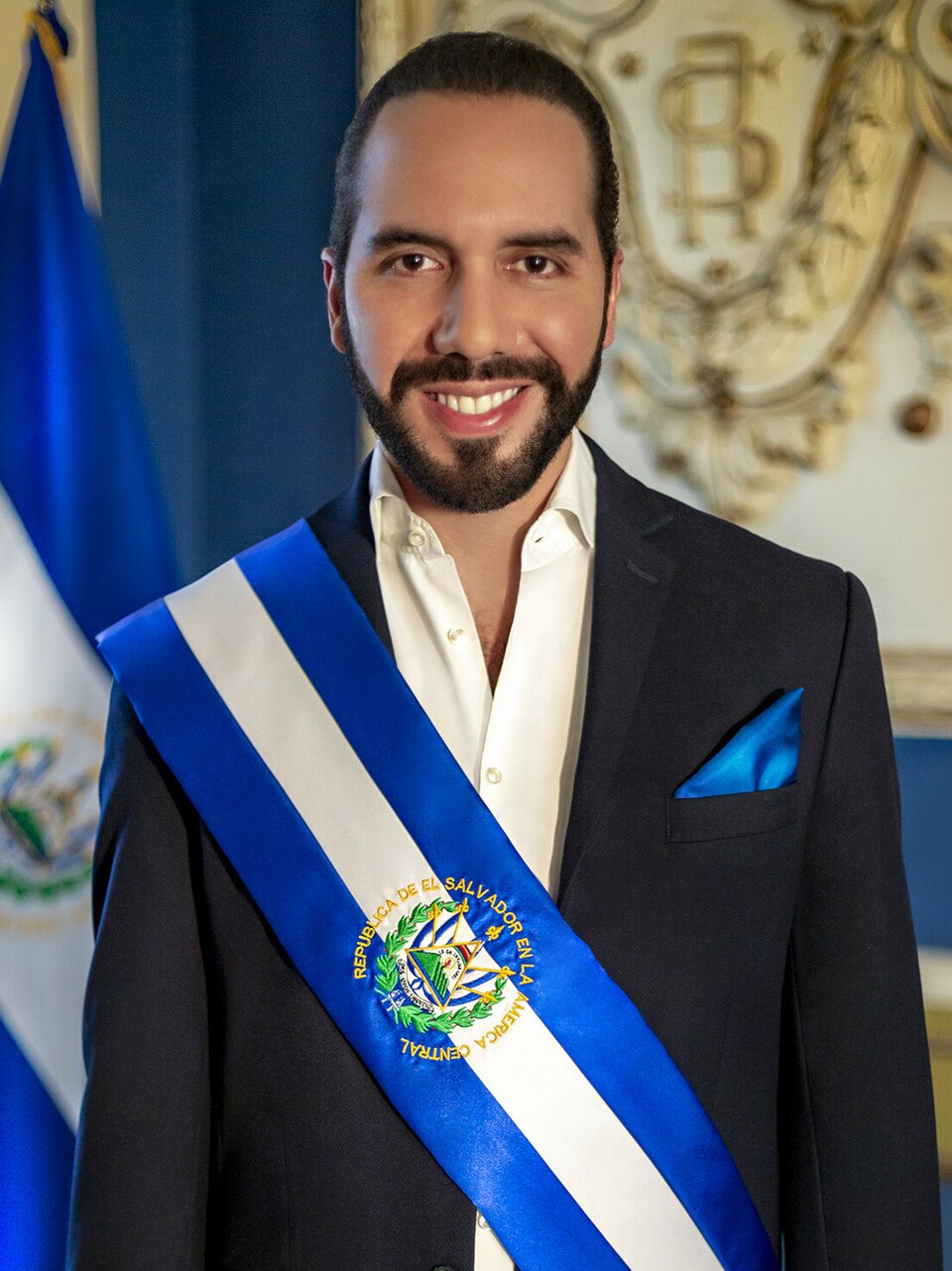
El Salvador Congress Approves Life Sentences Amid Gang War Escalation
In a move that sends ripples through its justice system and beyond, El Salvador's Congress has overwhelmingly approved a constitutional amendment permitting life sentences. This landmark decision, vigorously championed by President Nayib Bukele, marks a profound shift in a nation grappling with a protracted gang war that has already seen over 1% of its population incarcerated. The legislative vote, with 59 out of 60 lawmakers in favor, underscores the potent political influence of Bukele's party and his unwavering commitment to his controversial security agenda.
The introduction of bukele life sentences into El Salvador's legal framework is not merely a punitive measure; it is a declaration of intent. For years, the country's constitution had prohibited such extreme penalties, reflecting a different philosophy of justice. Now, under the shadow of widespread gang violence, that philosophy is being dramatically re-evaluated. President Bukele himself took to X, formerly Twitter, to challenge critics, stating, “We will see who supports this reform and who dares to defend the idea that the Constitution should continue prohibiting murderers and rapists from remaining in prison.” This statement encapsulates the populist leader's strategy: framing tough measures as essential for public safety and casting opposition as sympathetic to criminals.
The New Legislation: A Landmark Shift in Penal Policy
The approval of the life sentences amendment represents a significant departure from El Salvador's historical legal traditions. Until now, the country's penal code, influenced by principles of rehabilitation and reintegration, did not include provisions for indefinite incarceration. This latest reform, presented by Bukele's security cabinet and swiftly passed, is poised for ratification in the coming week, solidifying its place in the nation's legal landscape.
The immediate impact of bukele life sentences is clear: individuals convicted of heinous crimes, particularly those linked to gang activities like murder and rape, could now face imprisonment for the remainder of their natural lives. This change is fundamentally altering the expectations of justice for both victims and perpetrators. From the government's perspective, it offers a definitive solution to prevent dangerous criminals from ever returning to society, a promise that officials have previously made to a public weary of gang terror. The shift reflects a societal demand for severe retribution and enhanced security, even if it comes at the cost of previously enshrined legal norms.
For citizens, this means a potentially safer environment, but for legal experts and human rights advocates, it signals a deeper transformation of the state's relationship with its citizens and its approach to justice. The measure is not an isolated incident but rather the latest in a series of bold and often contentious reforms spearheaded by President Bukele, all aimed at bolstering his control and dismantling what he perceives as obstacles to his vision for El Salvador.
The Broader Context: Bukele's War on Gangs and State of Emergency
The decision to enact bukele life sentences cannot be understood in isolation; it is a direct outgrowth of President Bukele's aggressive “war on gangs.” This campaign began in March 2022 with the implementation of a state of emergency following a surge in gang violence. While initially intended as a temporary measure, the state of emergency has been continuously extended for nearly two years, leading to the suspension of several key constitutional rights.
Under this exceptional legal framework, approximately 91,300 people have been detained. The scope and scale of these detentions are staggering, resulting in El Salvador having one of the highest incarceration rates globally, with over 1% of its population behind bars. The state of emergency empowers authorities to make arrests without warrants, extends pre-trial detention periods, and restricts the right to legal counsel and assembly. This environment has been fertile ground for controversy, with human rights organizations documenting countless cases of arbitrary detentions, often based on vague accusations and minimal evidence.
Officials within Bukele's administration have publicly declared that detained gang members “will never return” to the streets, a promise that resonates strongly with a populace scarred by decades of gang brutality. The introduction of life sentences provides a permanent legal mechanism to fulfill this pledge, moving beyond the temporary nature of the state of emergency. This comprehensive approach underscores Bukele's strategy: relentless pursuit of gang members, severe penalties for convictions, and an overhaul of the legal system to support these goals. However, the mass arrests and procedural shortcuts have raised serious questions about due process, with lawyers often losing track of their clients and many trials conducted en masse.
Constitutional Implications and Concerns for Democracy
The approval of bukele life sentences is just one piece of a larger puzzle that legal experts and international observers view with growing alarm: the progressive erosion of democratic checks and balances in El Salvador. President Bukele has a track record of pushing through constitutional reforms that expand his executive power and diminish the autonomy of other branches of government.
A notable example is the reform passed in August, which effectively removed presidential term limits, paving the way for Bukele to potentially stay in power indefinitely. Many legal scholars widely consider Bukele's second term, which began in 2024, to violate the constitution's clear prohibition against consecutive re-election. This pattern of constitutional amendment to suit the incumbent's agenda raises fundamental questions about the stability and integrity of El Salvador's democratic institutions. The introduction of life sentences, while framed as a necessary security measure, can also be seen as consolidating the executive's power over the judiciary and penal system, leaving less room for judicial discretion or mercy.
Critics argue that these continuous reforms are not merely updates to outdated laws but strategic maneuvers to centralize power and sideline opposition. The judiciary, once an independent arbiter, now largely aligns with the executive. Journalists and opposition voices frequently face a stark choice between exile or detention, contributing to a climate of fear and self-censorship. This shift towards a more authoritarian model, though popular domestically due to perceived security gains, puts El Salvador's delicate democratic framework under immense strain and scrutiny from the international community. Understanding these broader constitutional shifts is crucial for grasping the full implications of the newly approved life sentences.
International Reactions and Human Rights Perspectives
The dramatic legal and political developments in El Salvador, particularly the widespread detentions under the state of emergency and the introduction of bukele life sentences, have drawn significant attention and concern from international human rights organizations and bodies. Groups like the Inter-American Commission on Human Rights (IACHR) have received allegations that the vast majority of those imprisoned under the state of emergency were arbitrarily detained.
While President Bukele has sharply criticized such allegations, he has acknowledged that approximately 8,000 innocent people have been released from detention. This admission, even if presented as a testament to the system's eventual correctness, highlights the substantial risk of wrongful incarceration inherent in a system operating with suspended constitutional rights and expedited legal processes. Cases of individuals held with little evidence, vague accusations, and minimal access to due process continue to be reported, painting a concerning picture of the human cost of the gang crackdown.
The international community's perspective often grapples with the complex trade-off between public safety and individual liberties. While the reduction in gang violence under Bukele's administration is undeniable and often praised by citizens, the methods employed have sparked alarm. Concerns extend to the long-term impact on the rule of law, the potential for political abuse of mass detention, and the sustainability of a justice system that prioritizes speed and severity over meticulous due process. The backing Bukele once received from figures like former U.S. President Donald Trump, and continued international silence from some quarters, has at times emboldened his government to push forward with its agenda, even in the face of significant human rights critiques. Readers interested in a deeper dive into these constitutional shifts and their broader implications can find more information in Bukele's Constitutional Reforms: Life Sentences & Power Consolidation.
The Future of Justice in El Salvador
With the approval of bukele life sentences, El Salvador stands at a pivotal juncture in its legal and social history. The nation has decisively chosen a path of extreme punitive measures to combat gang violence, a strategy that has garnered immense popular support domestically. The future implications of this decision are multifaceted and will likely shape El Salvador for generations.
Firstly, the practical implementation of life sentences will test the capacity of El Salvador's already overcrowded prison system. While the government has invested in new, massive detention centers, the long-term management of an aging prison population serving indefinite sentences presents unique challenges. Secondly, the legal precedents set by these reforms, particularly the willingness to amend the constitution to serve immediate security objectives, could pave the way for further expansions of executive power, potentially altering the very fabric of the country's governance. This shift could lead to a permanent restructuring of power dynamics, moving towards a system where the executive branch holds unprecedented sway over the legislative and judicial bodies. For further context on how these changes fit into a broader narrative of democratic oversight, consider reading Bukele Enacts Life Sentences: El Salvador's Democracy Under Scrutiny.
Finally, the long-term societal impact of these policies remains to be seen. While immediate security gains are evident, experts caution about the potential for resentment, radicalization within prisons, and the erosion of trust in state institutions if human rights abuses are not adequately addressed. The balance between maintaining public order and upholding fundamental freedoms is a delicate one, and El Salvador's current trajectory suggests a significant leaning towards the former. The global community will undoubtedly continue to watch closely as El Salvador navigates this bold and controversial chapter in its pursuit of peace and justice.
In conclusion, the congressional approval of bukele life sentences marks a watershed moment for El Salvador. It underscores President Bukele's firm grip on power, his unwavering commitment to eradicating gang violence through severe measures, and a significant redefinition of justice in the country. While lauded by many Salvadorans weary of violence, these reforms concurrently raise profound questions about constitutional integrity, human rights, and the future trajectory of El Salvador's democracy. The nation's path forward will undoubtedly be shaped by how it balances its newfound security with the enduring principles of liberty and due process.